Sally Lindsay Diet Secret: How She Dropped Two Stone Without Stepping Into a Gym

sally lindsay weight loss

Influencer-style gimmicks and ostentatious exercise regimens are not central to Sally Lindsay’s wellness philosophy. Instead, it depends on three extremely powerful factors: hormonal balance, consistency, and self-awareness. Her story has a resonance that goes well beyond aesthetics, as evidenced by the two stone lost and the noticeable change in energy. The way that women over 50 are changing the conversation about aging, beauty, and health speaks to something deeper.

She attributes a large portion of her metamorphosis to a seemingly straightforward but discipline-demanding tactic: skipping meals before noon. Although the timing is similar to the concepts of intermittent fasting, Lindsay’s timing is much more natural. She has attained what many would characterize as a noticeably enhanced sense of vitality by coordinating her eating habits with her hormonal cycles, particularly those that occur after menopause. She has stated candidly that “it’s all to do with my HRT,” highlighting the fact that this is about science, rhythm, and paying attention to her body rather than willpower alone.


Sally Lindsay – Profile Overview

CategoryDetails
Full NameSally Jane Lindsay
Date of BirthJuly 8, 1973 (Age 51)
NationalityBritish
ProfessionActress, Producer, Television Presenter
SpouseSteve White (married in 2013)
Children2 (Twin sons: Victor and Louie)
Notable RolesShelley Unwin (Coronation Street), Lisa Johnson (Mount Pleasant)
Current ProjectsThe Madame Blanc Mysteries (2021–present)
Production CompanyCo-founder of Saffron Cherry Productions
Known ForChampioning strong female leads, midlife visibility, and genre innovation
Websitewww.sallylindsay.com
Referencesally lindsay weight loss

Lindsay zooms out rather than getting bogged down by daily weigh-ins. She sees her body as a long-term investment portfolio, meaning that while there will be fluctuations, the monthly trajectory is what counts. For women going through hormonal changes, where fluid retention and metabolic changes can cause false alarms on the scale, this way of thinking is especially helpful. She has considerably lessened the anxiety that usually accompanies weight loss by concentrating on trends rather than fleeting changes.
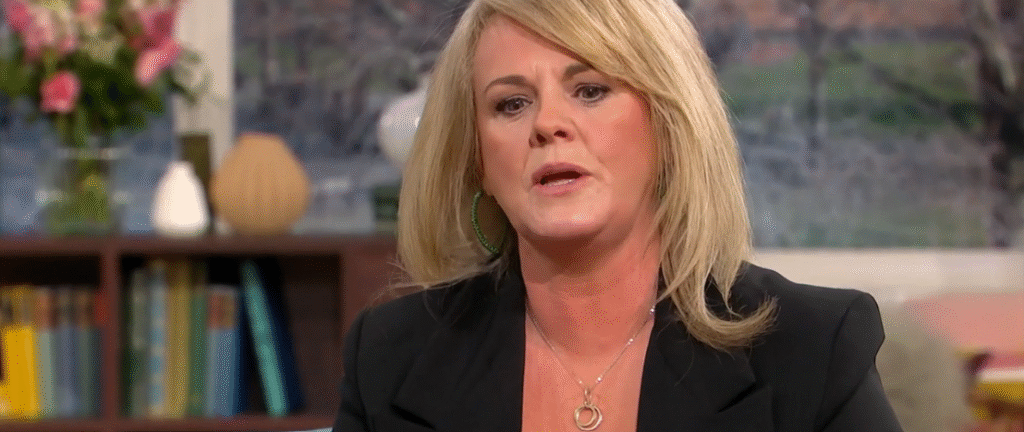
Sally Lindsay Diet
Sally Lindsay Diet

She consumes between 2,150 and 2,200 calories per day, paying close attention to her protein intake of 140 grams. Many people are surprised by this number, but it’s crucial for preserving muscle mass and metabolic effectiveness, especially when estrogen levels drop. She takes between 10,000 and 11,000 steps a day as part of her routine, but she does so with flexibility rather than force. It’s about movement that feels sustainable and organic, not about perfection.

Her support of midlife women reflects her refreshingly grounded style. She is assisting in the creation of stories that capture the complexity and strength of women over 50 as a co-founder of Saffron Cherry Productions. She once remarked, “When I was a younger actress, women got to 50 and then vanished,” emphasizing the stark disparities in representation. She is creating space where none previously existed by deciding to write, produce, and star in her own work, and audiences are joining her in doing so.

Her body transformation is interwoven with her overarching mission and is not a singular occurrence. Throughout her tenure on Coronation Street, she faced harsh criticism. She was infamously called “too fat and ugly” for a glamorous role by one publication, a remark that persisted for years like an unwelcome echo. Despite being extremely painful, that experience served as a catalyst. Like many other women in the field, such as Emma Thompson or Andie MacDowell, Lindsay decided to face those remarks rather than take them personally.

She is demonstrating that midlife can be a beginning rather than a decline by adopting a self-care regimen that includes mental health, regular exercise, and hormonal awareness. Her weight loss is just one sign of a more profound alignment. She isn’t offering magic formulas or meal plans. Instead, she’s showing that when purpose, not pressure, drives change, it can be genuine, long-lasting, and deeply ingrained.

Her approach is especially novel in that she deconstructs weight loss as vanity. Lindsay doesn’t talk about her body as something that needs to be improved. She characterizes it more as an understanding companion. That degree of integrity is very evident—and uncommon. It’s also remarkably similar to changes we’ve observed in more general wellness discussions, where women are regaining control over the “beach body” narrative and instead focusing on function, strength, and vitality.

The story of Sally Lindsay is being told at a time when hormone health is gaining popularity. Finally, the conversation is growing as celebrities like Naomi Watts and Davina McCall openly discuss menopause, hormone replacement therapy, and fitness after 50. Lindsay contributes her voice to a movement that is no longer specialized but rather essential by sharing her own recipe. Notably, she steers clear of extremes in her approach. There is only a very personal process of healing—no punishing workouts or juice cleanses.

It is important to recognize the role her family has played in her development. Lindsay has frequently acknowledged her husband, Steve White, a former drummer for The Style Council, as a stabilizing influence. She wants to be healthy for real life, not just for red carpet appearances, and their twin boys, who are now older, provide both a challenge and an inspiration. Her desire for creative independence combined with that stabilizing influence has created a very dependable and emotionally fulfilling way of life.

Through Lindsay’s story, a sort of subdued rebellion comes to light. Against the one-size-fits-all diet model, against ageism in the industry, and against typecasting. Her method serves as a model for longevity, visibility, and confidence in addition to weight loss. It serves as a reminder to women that transformation can be patient, rooted, and remarkably genuine without necessarily being loud.

Lindsay may not be the loudest celebrity to aspire to, but she speaks to people on a deeper level. Her journey is a permission slip rather than a sales pitch. A reminder that you don’t have to strive for perfection or youth. All you have to do is keep moving forward, one steady step at a time, and re-establish a connection with your body, rhythm, and strength.

Il fenomeno dei giochi arcade moderni: analisi e tendenze

Negli ultimi anni, il mondo dei giochi arcade ha vissuto un interessante revival, alimentato sia dalla nostalgia degli appassionati di vecchia data sia dall’interesse crescente di nuove generazioni verso un’esperienza ludica più tangibile e condivisibile. Questa tendenza si inserisce in un più ampio panorama di evoluzione del settore videoludico, che si distingue per la sua capacità di adattarsi alle dinamiche sociali e alle innovazioni tecnologiche. In questo articolo, analizzeremo le attuali tendenze del settore, le strategie di marketing più efficaci e le piattaforme migliori per scoprire i giochi arcade di qualità.

Considerazioni sulla rinascita degli arcade: tra nostalgia e innovazione

Il rinnovato interesse per i giochi arcade, spesso considerati un’icona degli anni ’80 e ’90, si spiega con più fattori. Da un lato, la nostalgia e il desiderio di esperienze di gioco più “analogiche” o tangibili spingono gli utenti a esplorare locali appositamente dedicati o eventi tematici. Dall’altro, l’industria dei giochi ha assistito a un’interessante fusione tra il digitale e il fisico, portando a creazioni artistiche e tecnologiche sempre più sofisticate che uniscono lo charme vintage alle tecnologie di ultima generazione.

Dato interessante: secondo uno studio di mercato del 2023, il settore arcade ha registrato un aumento del 25% nel coinvolgimento dei consumatori rispetto a tre anni fa, con un incremento particolarmente forte tra i millennial e la Gen Z, gruppi demografici che cercano esperienze di gioco sociali e dal forte impatto visivo.

Le principali piattaforme per scoprire giochi arcade di qualità

Per gli appassionati di questo settore, è essenziale poter contare su risorse affidabili e aggiornate. Diversi portali e community online si sono specializzate nel curare directory di arcade, recensioni, eventi, e contenuti video dedicati. Tra questi, una risorsa di primaria importanza è rappresentata dal sito https://chikenroad2-prova.it/, che offre approfondimenti dettagliati e aggiornamenti sulla disponibilità di giochi arcade di ultima generazione e sulle location dove trovarli.

Puoi scoprire Dove trovare Chicken Road 2? consultando questa piattaforma dedicata, che si distingue per la sua affidabilità e per le analisi approfondite di ogni titolo, compresi suggerimenti strategici e recensioni dei giocatori.

Focus su Chicken Road 2: caratteristiche e appeal

Chicken Road 2 rappresenta un tipico esempio di come i giochi arcade moderni riescano a catturare l’interesse di un pubblico variegato. Con un gameplay che coniuga elementi di avventura e strategia, il gioco si distingue per la sua grafica vivace e le meccaniche di gioco coinvolgenti. Disponibile in molte sale giochi specializzate, Chicken Road 2 si distingue per la sua capacità di adattarsi a diversi livelli di abilità, rendendolo accessibile anche a chi si avvicina per la prima volta ai giochi arcade.

Il gioco ha anche una forte componente social, poiché molte sale offrono modalità multiplayer che favoriscono la competizione amichevole o collaborativa tra giocatori, creando un’esperienza partecipativa e vivace.

Impatto culturale e futuro del settore arcade

Il recupero e la valorizzazione degli arcade rappresentano non solo un’opportunità commerciale, ma anche un fenomeno culturale che contribuisce a preservare e innovare la memoria storica dei videogiochi. La crescita di eventi come fiere, competizioni e festival dedicati testimonia il favore di un pubblico sempre più ampio, che sta riscoprendo l’importanza di un gameplay più tangibile e condiviso.

Principali tendenze del settore arcade, 2023
Tendenza Descrizione Implicazioni
Revival vintage Riscoperta dei classici arcade con rinnovamenti tecnologici Nuove location, eventi tematici, aumento della clientela giovane
Integrazione digitale Fusione tra tecnologia arcade tradizionale e realtà aumentata/virtuale Esperienze immersive più coinvolgenti ed efficaci
Social gaming Competizioni e collaborazioni tra più giocatori Incremento della partecipazione e fidelizzazione del pubblico

Conclusioni

Il settore dei giochi arcade si sta affermando come uno dei segmenti più dinamici e innovativi nel panorama del gaming contemporaneo. La collaborazione tra creatività artistica, tecnologia avanzata e strategie di community marketing sta portando a un vero e proprio revival di un format che, seppur radicato nel passato, si reinventa continuamente. Per chi desidera approfondire e scoprire dove trovare Chicken Road 2 e altri titoli di rilievo, le risorse come https://chikenroad2-prova.it/ rappresentano uno strumento prezioso per rimanere aggiornati e connessi alle novità di questo affascinante mondo.

The Untold Story of Bryant Gumbel’s Face Injury and 68-Stitch Recovery

Bryant Gumbel face surgery

Long praised for his composed delivery and unwavering professionalism, Bryant Gumbel’s polished exterior was unable to hide the psychological and physical effects of his medical struggles. One of Gumbel’s most intimate secrets was kept a secret throughout his illustrious journalism career until he casually disclosed, in a 2009 television appearance, that he had had surgery for lung cancer. His account of a facial injury that required an astounding 68 stitches revealed yet another chapter in his health journey, one that is perhaps less well-known but no less illuminating.

Even though Gumbel was a well-known media personality, he was able to keep these incidents secret until he decided to make them public. His modest revelation reflected his philosophy of remaining fact-focused, even when it affected him, rather than an attempt to win sympathy. These incidents are more than just health setbacks, particularly the facial surgery. They stand for the unseen burden that public personalities frequently carry in silence while maintaining their poise in front of the public.

CategoryDetails
Full NameBryant Charles Gumbel
Date of BirthSeptember 29, 1948
Age76 years
NationalityAmerican
ProfessionTelevision Journalist, Sportscaster
Notable ShowsToday Show, Real Sports with Bryant Gumbel, The Early Show
SpouseHilary Quinlan (m. 2002), formerly June Baranco (m. 1973–2001)
ChildrenJillian Beth Gumbel, Bradley Christopher Gumbel
Health EventsLung cancer (2009), facial injury requiring 68 stitches
ReferencePeople Magazine

Gumbel himself called the facial injury “particularly gruesome,” and it resulted from an unintentional incident that he never discussed in public. However, he showed colleagues a photo of the aftermath, which even seasoned professionals were said to be shocked by. Despite the lengthy process of repairing the damage, Gumbel returned to work with the same resolute presence that viewers had grown accustomed to seeing, as well as a sense of gratitude.

Bryant Gumbel face surgery

Gumbel’s recovery is especially noteworthy because it required both physical and emotional fortitude. It would be psychologically overwhelming for anyone to need dozens of facial stitches, much less a broadcaster whose job depends on being camera-ready. Even as he recovered from both cancer and a facial injury, Gumbel’s resilience allowed him to resume his responsibilities without missing a single taping of HBO’s Real Sports.

Other celebrities have come forward in recent years with similarly open disclosures regarding private medical operations. For example, Hugh Jackman and Michael Douglas de-stigmatized difficult health conversations and promoted early screenings by being candid about their cancer diagnoses. Although Gumbel’s disclosure was more subdued, it conveys the same message—that health should be prioritized as a preventive measure rather than only when it becomes urgent.

By carrying on with his journalism despite these obstacles, Gumbel rose to prominence as a representation of restrained tenacity. Instead of using his illness to gain attention or sympathy, he allowed his recuperation to be a backdrop to the consistently high caliber of his work. Perhaps that quiet fortitude added to the impact of his return to the studio. Even though he had undergone surgery, his face was still one of logic, clarity, and trust.

From a wider angle, Gumbel’s story highlights a change in the way public figures deal with issues related to their personal health. Whereas in the past secrecy might have been the norm, audiences today value authenticity and honesty, especially when combined with humility. Gumbel’s revelations were delivered with the same composed authority he has applied to decades of reporting; they contained neither evasion nor melodrama, only the truth.

His legacy now encompasses a deeper aspect of human strength, firmly grounded in his work as a journalist who pushed boundaries. His spirit has been strengthened rather than diminished by the culmination of his health events. Even while recuperating from such invasive procedures, he is remarkably impressive in his ability to retain his editorial acuity, his professionalism on camera, and his dedication to hard-hitting stories.

Therefore, the 2023 finale of Real Sports with Bryant Gumbel after a 29-year run signifies not only the end of a program but also the end of an era dominated by a man who never let personal suffering get in the way of his public mission. People close to Gumbel stress that he is still in good spirits and is still concentrating on important work behind the scenes, despite persistent rumors regarding the type and severity of his previous health scares.

Gumbel’s tale serves as a positive illustration for anyone juggling physical recuperation with career goals. His experience serves as further evidence that setbacks, even those as obvious and severe as facial surgery, do not require a halt in progress. Rather, they frequently provide a fresh perspective and heightened empathy, which only serve to increase one’s influence.

Carol Malia Weight Loss Journey Stuns Fans: See the 3st 5lbs Transformation

Carol Malia Weight Loss

Carol Malia’s transformation is one of the most genuine. She had established herself as a mainstay in British homes thanks to her cool, collected demeanor on BBC Look North. However, beneath her polished journalism, she was subjected to unwelcome and frequently harsh criticism regarding her weight. She was not defeated by that negativity. Instead, she turned it into fuel, and in just eight months, she lost her first five pounds, drastically changing both her health and mindset.

Her method was pragmatic rather than theatrical. After joining a local slimming group, she made a silent commitment that soon gained traction. There were no gimmicks or crash diets. She gradually embraced a fitness regimen focused on running in the Tyne Valley and adjusted her diet to include more whole foods, especially lowering her dependency on processed snacks. The struggle turned into a fulfilling rhythm in a matter of weeks.

Carol Malia: Personal and Career Details

CategoryDetails
Full NameCarol Malia
Date of BirthNovember 28, 1968
Age56 years
NationalityBritish
ProfessionJournalist, BBC Presenter
Known ForBBC Look North
SpouseGary Hudson
ChildrenTwo
Reported Weight Loss3st 5lbs in 8 months
ReferenceExeter Natural Health Centre

Her experience felt remarkably similar to that of many midlife women: balancing work, family, and health while subtly battling insecurities. Her balance—prioritizing nutrition without obsessing over every calorie, running without putting pressure on herself to win medals, and selecting social events that truly added value rather than sapped her willpower—was remarkably effective in her case.

Carol Malia Weight Loss

She talked openly about staying away from passing fads. She didn’t try to lose weight to please other people. It was about finding a piece of herself that she had gradually lost after becoming a mother. She desired it for herself, not because her industry required it, but because she wanted to feel powerful, energized, and prepared to face the screen with assurance.

The fact that her metamorphosis reflected that of other well-known individuals who made a comparable leap is especially encouraging. Carol, like actress Rebel Wilson and singer Adele, didn’t Instagram her meals or make a big deal out of every workout. She let the outcomes do the talking. Her modesty made her relatable, particularly to working mothers who lack the luxury of celebrity trainers or personal chefs.

Her mental toughness had significantly improved. Her mood improved with each pound she lost. Her voice sounded lighter, and her on-screen persona exuded a carefree warmth that caught the attention of viewers, especially women over 40. Her posture straightened, according to her colleagues, not out of vanity but rather from a renewed sense of vitality. The public’s reaction was overwhelmingly positive, with many people contacting her to offer guidance, support, or just to express gratitude.

She discovered solidarity in motion by working with neighborhood running organizations. Malia wasn’t afraid of working out. Rather, she increased her stamina gradually, which felt particularly doable to fans who are afraid of intense workouts. She frequently brought up her “couch-to-5k” beginnings, highlighting the fact that gradual progress can have a profoundly transformative effect.

Her clothing change also turned into a subliminal but important indicator of transformation. Her elegant on-air attire—fitting blazers, structured dresses, and a poise that hadn’t always been so apparent—generated a flurry of comments on social media. She even started to be featured by fashion bloggers as an unexpected source of style inspiration, demonstrating how body confidence can affect all aspects of presentation.

She avoided the burnout that frequently accompanies weight loss efforts by using strategic planning. Rather than cooking separate meals, she adapted recipes and included family meals instead of isolating herself. She needed her husband and kids as cheerleaders to keep her grounded. This degree of integration, which was both useful and consoling, was especially advantageous.

Health journalists and wellness coaches are now using her story to promote body-positive weight loss. A cultural move away from crash diets and Photoshop-filtered perfection is reflected in it. Rather, it honors improvements in health, emotional development, and genuine self-respect. By doing this, it gives the media discussion about women and aging a much-needed voice.

Malia responded to trolls in a very obvious way; instead of clapping back online, she lived better off-line. Her metamorphosis took place outside of the gym and at the dinner table as well. She became a real-life example of how to put one’s health first without sacrificing one’s identity as it played out on TV screens, in offices, and in living rooms.

She provided a model that other women, particularly those over 50, who frequently feel left out of popular wellness narratives, could follow by incorporating movement, mindfulness, and doable adjustments. Her example served as a reminder that growing older should not be a hindrance to advancement but rather a sign of wisdom.

Long after losing the weight, Malia still sets an example for a sustainable, rather than extreme, maintenance lifestyle. She continues to eat well-balanced meals, run, and occasionally indulge without feeling bad about it. Even though the weight loss was only temporary, the mental change was remarkably long-lasting.

Her impact extends beyond her physical presence. Carol Malia’s openness has contributed to redefining what transformation in public life can entail—one that is devoid of drama, full of dignity, and incredibly empowering.

Lisa Riley Weight Loss Stuns Fans: How She Dropped 12 Stone Without Surgery First

Lisa Riley Weight Loss

In addition to drawing attention, Lisa Riley’s physical makeover has sparked a conversation about emotional fortitude, health, and body image. Riley, who is best known for her vivacious performance as Mandy Dingle in Emmerdale, was once the epitome of the phrase “fat but happy,” which she used openly for years. In private, however, the fissures had begun to appear. She consciously chose to change her life on all levels—physically, emotionally, and mentally—and as a result, she became a very clear voice in discussions about personal wellness.

She made strict lifestyle changes, such as cutting back on alcohol, giving up processed sugars, cutting carbs, and starting regular exercise, which helped her lose 12 stone, or 168 pounds, over the course of an intense 18-month period. This was a journey based on accountability, ownership, and very personal motivations rather than a celebrity stunt or quick fix.

Lisa Riley — Bio and Career Information

Full NameLisa Jane Riley
Date of BirthJuly 13, 1976 (Age: 48 as of 2025)
BirthplaceBury, Greater Manchester, United Kingdom
Height1.64 meters (5 ft 4.5 in)
PartnerAl (2014–present)
ProfessionActress, Comedian, TV Presenter
Known ForMandy Dingle in Emmerdale
Years Active1995–present (with hiatus from 2001–2019)
Major TV CreditsEmmerdale, You’ve Been Framed, Strictly Come Dancing
Total Weight Lost12 stone (168 lbs)

Eliminating alcohol allowed Lisa to uncover a crucial element that had previously caused her health objectives to fail. In her own words, emotional dependency was more important than calorie intake. She disclosed that she frequently turned to alcohol as a coping mechanism during difficult times, especially after losing her mother to cancer. It numbs pain but provides no real comfort, much like an antidepressant. Although choosing to stop drinking wasn’t simple, nine years later, it’s still one of her greatest accomplishments. She publicly celebrated the achievement, saying she was “surrounded by positivity, not diluted drivel” and “so much more HAPPY.”

This discipline was not limited to the bottle. Fast food and processed snacks gave way to carefully prepared meals and routines that prioritized staying hydrated as her diet drastically changed. She now chooses sparkling water and home-packed nutrition instead of the coffee, baguette, crisps, and piece of cake she might have once enjoyed on a train ride. Although it seems like a little ritual, it actually symbolizes a mental reset. Long after the initial weight loss, she continues to have energy and focus thanks to these changes in her daily routine.

Lisa Riley Weight Loss

Her emotional openness during the process was especially remarkable. People cheered when she started to appear in public with a smaller figure, but they were blind to the psychological and physical costs of such drastic weight loss. Riley was in excruciating pain and had more than 1.5 stones of extra skin. Skin folds that rubbed, chafed, and inflamed made movement—once encouraged—more painful. She acknowledged that her success had come at a very real and unexpected cost, saying, “I looked worse than I did when I was obese.”

In her documentary Lisa Riley’s Baggy Body Club, she tackled the problem head-on rather than hiding behind filters or shapewear. In that production, her vulnerability was especially potent when she was seen looking at her body in the mirror with tears in her eyes. It took away the illusion of losing weight and replaced it with the reality that the journey goes on even with extreme self-control.

In the end, Lisa decided to have the extra skin removed surgically. Then came four major operations: a breast lift, thigh lift, arm reduction, and fleur-de-lis tummy tuck. Lisa characterized the surgeries as corrective, even though they are frequently classified as cosmetic—a necessary step toward completely reclaiming her body. Although the surgeries were exhausting and necessitated seven months of recuperation, they were also liberating. With a smile that seemed well-earned, she joked, “Now I can wear sexy underwear.” “Before, it was just big knickers and mumsy bras for practical purposes.”

It is impossible to overestimate the significance of this milestone. Many people view losing weight as a one-time accomplishment. But Lisa’s story emphasizes the fact that changes entail layers of suffering, recovery, and victory. Her journey is messy, honest, and ultimately uplifting, which is a stark contrast to the typically sanitized fitness influencer narratives.

Additionally, her story touches on more general cultural patterns. Other well-known makeovers, like Adele’s and Rebel Wilson’s, provoked discussions about social expectations and judgment in addition to fitness. Because Lisa never presented her transformation as aspirational, but rather as survival, her story is especially inventive. She didn’t do it to win over the public; she did it for her future, her happiness, and her health.

Lisa continues to provide her fans with positive and realistic updates by interacting with them on social media sites like Instagram. Her post-surgery glow is more about comfort than glitz. She talks with the assurance of someone who understands how difficult it is to gain respect for oneself while battling both grief and gravity.

Lisa’s constant refusal to let outside praise define her success is what makes her metamorphosis so poignant. She once remarked, “No one forced me to eat fifty Twix bars.” “I must accept accountability for that.” Her message is extremely effective at dismantling harmful narratives surrounding weight and body image because of her unvarnished and firm sense of ownership.

She is more than just a fit soap opera star. She is a well-known person who has experienced loss, addiction, embarrassment, and discomfort; she changed for happiness rather than attention. Her impact extends beyond Emmerdale viewers. She encourages those caught in a vicious cycle of guilt and uncertainty by demonstrating that change is possible even though it is rarely simple.

The public conversation about food addiction, mental health, and obesity has significantly improved as a result of her journey. Lisa keeps increasing her influence by taking part in campaigns, podcasts, and programs. Her own development reflects a broader cultural trend in which filtered success stories and Photoshopped narratives are gradually giving way to authenticity.

Is Jack Nicholson Sick? Rare Sighting Sparks Hollywood Health Rumors

Is Jack Nicholson Sick

Formerly the center of attention in every room he entered, Jack Nicholson is now on the periphery of public attention, surrounded by silent curiosity. He wowed audiences with incredibly captivating performances for decades, playing characters who were both intense and charmingly mischievous. Now, however, the inquiries that surround him seem remarkably worried: Is Jack Nicholson ill?

The actor has been conspicuously absent from basketball courts and red carpets in recent years. Since late 2021, Nicholson, who was once a mainstay at Los Angeles Lakers games, has hardly been spotted in public. In April 2023, a picture of him on his Los Angeles home’s balcony surfaced, sparking fresh rumors. Wearing casual loungewear, his hair unkempt and his cane in plain sight, he looked physically elderly but serenely contemplative. Seeing an untouchable figure rooted in the quiet realities of life struck a deep chord with me.

Jack Nicholson — Personal and Career Information (Insert into WordPress Table)

Full NameJohn Joseph Nicholson
Date of BirthApril 22, 1937 (Age: 87 as of 2025)
BirthplaceNeptune City, New Jersey, United States
Height1.77 meters (5 ft 10 in)
ProfessionRetired Actor, Filmmaker
Years Active1956–2010
Last Film AppearanceHow Do You Know (2010)
SpouseSandra Knight (m. 1962–1968)
ChildrenRay, Lorraine, Jennifer, Caleb, Honey, Tessa
Major Awards3× Academy Award Winner, 6× Golden Globe Winner
Notable RolesThe Shining, Chinatown, Batman, As Good As It Gets
Estimated Net Worth$400 million (latest available estimate)

Sources close to Nicholson began to voice concerns by the beginning of 2023. Friends privately expressed concerns that the actor may be suffering from memory loss, possibly even dementia, according to RadarOnline. Despite not being confirmed by family or representatives, these claims gave the public’s conjecture a more poignant tone. He has lost his mind, one insider stated bluntly. The remark was startling, but revealingly unverified.

Fans started drawing parallels between Nicholson’s predicament and that of other elderly actors who have faded from the spotlight during that time. Bruce Willis’s acknowledged struggle with frontotemporal dementia made the comparison especially pertinent. In contrast to Nicholson, Willis’s family has been incredibly open, providing updates and respectfully changing the conversation about cognitive decline. Jack, however, has remained silent, which has heightened the contrast and added to the mystery.

Is Jack Nicholson Sick

A rare moment of tenderness surfaced over the holidays. One of Jack’s six adult children, Lorraine Nicholson, shared a carousel of family pictures on social media for a short time. One of them showed her embracing her father, who appeared weak but there. Even though the post was eventually removed, it gave a glimmer of comfort that Nicholson is still in touch with his family even though he is not publicly present. For many, it served as a moving reminder that beneath the news stories and rumors, there is a father, a grandfather, and a person aging.

Silence is frequently interpreted as illness in the context of celebrity culture. Fans have come to associate decline with social media absence, especially in recent years. But not all retreats stem from hopelessness. Some are intentional preservation efforts—silent defiance of the cacophony of unrelenting scrutiny. It’s possible that Jack Nicholson is embracing a more subdued rhythm, away from the staged mayhem of entertainment.

Nevertheless, the absence seems strange to those who have admired him for many generations. His portrayal of an honest man dealing with obsessive-compulsive disorder in As Good As It Gets is still ingrained in the public consciousness. He became a cultural icon thanks to his iconic and completely insane portrayal of Jack Torrance in The Shining. Once evident in every role, that energy now appears to be contained within the walls of his Beverly Hills home.

His once-reliable routine also contributes to some of the worry. Nicholson’s courtside seat at Lakers games was as sure as the tip-off for decades. Fans had something to look forward to because of his shades, broad smile, and sporadic courtside conversations with famous people like Adam Sandler or Leonardo DiCaprio. His fleeting appearances in 2022 and 2023 were nostalgic, even consoling, particularly when he was with his son Ray at a playoff game. But they weren’t a comeback; they were only glimpses.

In 2021, an old acquaintance shared a particularly eye-opening story. The person, who wished to remain anonymous, revealed, “He no longer leaves his house. He has stated unequivocally that his home is his castle. Despite its poetic quality, the phrase had a bittersweet undertone. Nicholson, who resides in a mansion that was once owned by Marlon Brando, seems to be pursuing a similar trajectory—retreating not in defeat but in conviction.

Many people called Nicholson’s appearance on the SNL 50: Anniversary Special in early 2025 “surprising and heartening.” He smiled quietly as he greeted former collaborators, holding a cane but looking engaged. His presence served as a reminder to viewers of the charisma that characterized him in the past and may still exist today.

The public silence surrounding actress Lara Flynn Boyle, who dated Nicholson for almost ten years, doesn’t fully convey the situation. “There’s no retiring for Jack,” she emphasized in a summer 2024 interview. He continues to work magic in his own way. Even though the spotlight has shifted, her remarks imply that the man behind the myth hasn’t completely faded.

But this story is not just about Nicholson. It poses interesting queries regarding how the public views aging celebrities. Do we expect constant evidence that icons are still “okay” or are we willing to let them leave the stage with dignity? The similarities to legendary musicians like Bob Dylan, who has only come back on his own terms, show a larger trend toward independence in later life. Once considered a luxury, privacy is now a silent act of defiance.

Social media fans are still split. Others have expressed gratitude and hope, praising Nicholson for prioritizing peace over performance. Others are extremely concerned, particularly when tabloids publish sloppy images or ambiguous reports. “If he’s sick, we’ll love him through it,” was a comment on a recent fan forum that perfectly encapsulated the sentiment. He’s earned every moment, even if he’s just relaxing.

Chevy Chase’s Health Journey: From Heart Scare to Humor

Is Chevy Chase Sick

The legendary comedian and actor Chevy Chase has been dealing with serious health issues lately, which has many worried about his wellbeing. Chase’s public appearances have gained more attention for reasons unrelated to his humor, despite his breakthrough role on Saturday Night Live and his humorous performances in the National Lampoon film series. Since his near-fatal heart failure in 2021, which necessitated prolonged hospitalization, fans have observed the obvious toll it has taken on him.

Despite being praiseworthy, his recuperation has not been without issues. Chase has openly acknowledged sustained memory loss in interviews, attributing part of the cognitive deterioration to the physical strain and trauma of his heart condition. He continues his tour and participates in events with remarkable persistence in spite of these obstacles, maintaining a public presence. Even at 80, his tenacity continues to be an inspiration to his fan base.

Personal InformationDetails
Full NameCornelius Crane “Chevy” Chase
Date of BirthOctober 8, 1943
Age81 years
BirthplaceLower Manhattan, New York, USA
SpouseJayni Chase (m. 1982)
ChildrenCaley Leigh, Bryan Perkins, Emily Rachelle, Cydney Cathalene
Height1.92 m
Notable WorksSaturday Night Live, National Lampoon’s Vacation series, Caddyshack, Fletch
Health IssuesNear-fatal heart failure (2021), memory loss

Chase suffered a fall in December 2023 while making a public appearance related to a discussion about National Lampoon’s Christmas Vacation. His team promptly clarified that the incident was caused by a poorly lit stage area rather than any new health deterioration, despite the fact that it was frightening to onlookers. Chase himself echoed this assurance, but he dismissed it with a laugh, claiming that his previous pratfall training on Saturday Night Live helped him “bounce back.”

Multiple interviews demonstrate his openness about aging, which reveals a man facing death with humor and dignity. As he ages, he has often discussed the need to move away from physical comedy. “His comedy has always been physical, from the way he raises an eyebrow to his signature stumbles,” he said in his interview with Parade, “but those moves now require more caution.”

Is Chevy Chase Sick
Is Chevy Chase Sick

It has also become especially clear how much his viewpoint has changed. Close sources claim that Chase has significantly increased his gratitude for his loved ones and decreased his reactivity to criticism. He is reportedly “smiling more” and hugging people instead of snapping, a change in behavior that has been ascribed to both aging and the health awakening he had in 2021.

His eagerness to become a grandfather is another significant development. Chase has publicly shown his happiness at his daughter Emily’s impending baby, sharing this life milestone with fans and talking warmly about the future. His public persona, which was previously tarnished by on-set conflicts and accusations of conceit, has been significantly improved by these gentler moments combined with his timeless humor.

His involvement in public events and social media presence indicate that his mental acuity is still largely intact, even though the extent of his memory problems is still not entirely clear. He connects nostalgia with current engagement by sharing updates and reminiscing about past roles on Instagram. Celebrities are finding this type of digital connection to be a useful tool as they age in the public eye.

In today’s culture, where public figures are frequently questioned as they age, Chevy Chase’s health journey strikes a particularly deep chord. His narrative serves as an especially inspiring illustration of perseverance, providing both sobering and energizing lessons. He has been able to solidify both his comedic legacy and his relatability as a human by candidly discussing his setbacks and recovery.

His story has wider ramifications that go beyond the realm of celebrity culture. Chase’s openness helps de-stigmatize aging and illness in a culture where conversations about heart health, memory loss, and elder care are becoming more pressing. Even people who once appeared to be invincible are vulnerable, he reminds audiences, but life can still be incredibly fulfilling after serious health scares. Chevy Chase maintains a connection with fans of all ages by being humorous, humble, and surprisingly optimistic.

Barbara O’Neill Weight Loss Secrets That Could Transform Your Body in 30 Days

barbara o'neill weight loss

Barbara O’Neill’s strategy for losing weight is distinct from the plethora of diet fads that are popular right now. Her approach stresses the body’s natural rhythm and the need for comprehensive, long-term solutions rather than offering quick fixes or calorie-counting plans. A balanced diet, detoxification, and appropriate meal timing are the cornerstones of O’Neill’s weight loss plan, which emphasizes the body’s innate need for nutrition in the right amounts and at the right times.

Her strategy is based on the idea that one should “breakfast like a king, lunch like a queen, and dinner like a pauper.” Because the body is best able to metabolize food in the morning, this meal-timing technique enables the body to utilize nutrients to their fullest. She promotes balancing eating habits with the body’s natural metabolic rhythms by cutting back on calories in the evening. This straightforward but incredibly powerful method encourages fat burning while allowing the digestive system to relax.

Barbara O’Neill – Bio, Background, and Professional Information

CategoryDetails
Full NameBarbara O’Neill
Date of BirthJuly 28, 1953
Age71
CountryAustralia
ProfessionAlternative health educator, author, speaker
Known ForNatural remedies, detox methods, castor oil therapy, dietary and lifestyle lectures
SpouseMichael O’Neill
Notable WorkCastor Oil Bible for Weight Loss, The Simplicity of Health, 15-Day Green Smoothie Cleanse
ControversySubject of criticism by NSW Health Commission for lack of medical qualifications
Website ReferenceBarbara O’Neill – Wikipedia

Another essential component of O’Neill’s strategy is the incorporation of natural remedies, especially castor oil, into her weight loss regimen. She highlights the detoxifying properties of castor oil, which she uses to lower inflammation and encourage better circulation in addition to its digestive advantages. Because of its alleged advantages in enhancing liver function and promoting fat breakdown, castor oil is used in her weight-management regimens both orally and topically, such as in castor oil packs. Although some doubters doubt its effectiveness, O’Neill’s devoted fan base is convinced of the ancient remedy’s therapeutic potential.

The drastic changes frequently associated with extreme diets and strict calorie restrictions are not the focus of O’Neill’s approach. Rather, it is based on the idea that eating real, whole foods at the right times, along with detoxifying techniques, can help the body reset, promote long-term weight loss, and enhance general health. This all-encompassing approach goes beyond diet and incorporates techniques like stress reduction, regular hydration with herbal teas, and easy exercises like walking to strengthen the body’s natural fat-burning processes.

barbara o'neill weight loss
barbara o’neill weight loss

O’Neill’s emphasis on digestive health and its critical role in weight loss is one of the more distinctive features of her methodology. She stresses how and when we eat rather than just what we should eat. Regular meals that promote the digestive system and facilitate efficient nutrient absorption while avoiding the accumulation of excess fat are encouraged by O’Neill’s teachings. This approach is especially helpful for people who are dealing with hormonal imbalances or digestive problems that impact metabolism because it is not only for weight loss but also for general vitality.

Another essential element of her 15-day cleanse regimen is her use of green smoothies. These vitamin-, mineral-, and fiber-rich smoothies are meant to reset the digestive system and provide the body with a respite from heavy, processed foods. This cleanse, when combined with O’Neill’s other detoxifying techniques, promotes weight loss by gently cleansing the body and supplying the nutrients required to support energy levels and metabolism.

Her openness about the psychological and emotional facets of weight loss is arguably one of O’Neill’s most persuasive philosophical tenets. She doesn’t sugarcoat the fact that many people’s weight problems are connected to more serious, intricate problems like stress, emotional eating, and body image issues. Understanding the underlying causes of unhealthy behaviors is just as important as the physical aspects of weight management, according to O’Neill, who urges people to address these problems head-on.

Additionally, O’Neill frequently discusses body dysmorphia and the psychological difficulties that come with losing weight. In addition to taking actions toward health and well-being, she promotes a gentle approach to transformation that fosters self-acceptance and self-love. Many of her fans have found solace in her emphasis on mental health, particularly those who are feeling overburdened by the frequently harsh and unattainable standards imposed by fitness culture and mainstream beauty standards.

Although O’Neill has amassed a sizable fan base of individuals seeking an alternative to the conventional narrative surrounding weight loss, she has also come under fire, especially for her lack of official medical credentials. Some of her suggestions, especially those pertaining to detoxing and the use of castor oil, are criticized for lacking scientific backing. Nonetheless, proponents of O’Neill claim that her all-encompassing strategy, which blends sensible counsel with natural cures, has changed the lives of numerous people.

Her strategy also takes into account the growing popularity of “clean eating,” which promotes consuming whole, nutrient-dense foods. As more people search for ways to avoid processed foods and the negative effects of additives, preservatives, and artificial sweeteners, this trend has gained popularity in recent years. This movement is complemented by O’Neill’s emphasis on whole, natural foods like fruits, vegetables, healthy fats, and plant-based proteins, which inspires her followers to view food as fuel rather than as a luxury.

The teachings of Barbara O’Neill exhibit a particularly novel perspective on health, one that takes into account both mental and physical well-being. She offers an all-inclusive road map for long-term weight management that stays away from extremes by advocating for a balanced approach to diet, lifestyle, and mental health. In a time when so many people are looking for a more sustainable and mindful approach to health, this special fusion of conventional treatments, sensible meal timing, and self-care strikes a deep chord.

Anthony Edwards Weight Revealed: How 102kg Powers the Timberwolves’ Star

Anthony Edwards Weight

With both his performance and the physical presence he brings to every game, Anthony Edwards has continuously defied the norm for an NBA shooting guard. His build, at 102 kilograms (225 pounds), makes him stand out in a league that is frequently dominated by long, lean athletes who prioritize skill over strength. At every level of elite basketball, however, Edwards has blazed a trail that demonstrates how power and agility can work incredibly well together.

There is much more to his frame than just size. As he plays more, it gives him a kind of physical power on the court that becomes more noticeable. Edwards exhibits a strength-to-speed ratio that is especially advantageous for a modern guard, whether he is driving hard into the paint or easily sweeping off defenders. His weight, which at first glance might appear to be a hindrance to his lateral quickness, has actually translated into an aggressive style of play where he rarely gives up.

Anthony Edwards – Personal and Professional Snapshot

CategoryDetails
Full NameAnthony DeVante Edwards
Date of BirthAugust 5, 2001
Age23
BirthplaceAtlanta, Georgia, USA
Height1.93 m (6 ft 4 in)
Weight102 kg (225 lbs)
PositionShooting Guard / Small Forward
TeamMinnesota Timberwolves (#5)
NBA Debut2020
Wingspan2.06 m (6 ft 9 in)
CollegeUniversity of Georgia
Nickname“Ant” or “Ant-Man”
AchievementsNBA All-Star, #1 Pick in 2020 Draft, USA Basketball Team
Reference SourceAnthony Edwards – Wikipedia

The impact of Edwards became more noticeable during the 2024 season. He was still able to rack up ankle-breaking crossovers, quick steals, and transition dunks despite his power-forward weight. Rather, it strengthened his style of play—driving through opponents instead of around them, and finishing plays with unexpected grace in spite of an incredibly resilient base. Since his rookie season, he has significantly improved his body control under pressure, converting physical contact into scoring opportunities rather than missed ones.

Compared to his contemporaries, his physicality provides a distinct advantage in this context. Despite his impressive acrobatic elevation, Ja Morant only weighs 79 kilograms. A forward with a slashing style, Jayson Tatum weighs about 95 pounds. Luka Dončić, who relies heavily on craft and weight balance in his game, weighs 104 kg. Although he mixes bulk and athletic grace in a unique way, Edwards fits right in with them.

Anthony Edwards Weight

Given his weight, his explosiveness off the ground is even more remarkable. An advanced level of muscular efficiency is demonstrated by a player who can move that much mass with such acceleration. Here, conditioning is very important. According to reports, Edwards‘ offseason routine consists of explosiveness-focused drills and high-resistance plyometrics, both of which are designed to maintain his quickness without weakening his core. This combination has shown to be very effective, especially in the closing minutes of games when the opposition’s defenders start to tire.

His physical presence has been crucial for the Timberwolves, who are now in the running for the playoffs. As an anchor who establishes the defensive and psychological tone, in addition to being a scorer. Because of his size, opponents frequently underestimate his speed and end up behind him as Edwards charges into the lane or spins quickly to close out a shooter. These incidents highlight how incredibly agile he is, reminding both fans and commentators that, with the correct athletic engine, weight does not equate to sluggishness.

Another important but subtle factor in Anthony’s durability has been his weight. He has remarkably remained available and aggressive in a time when elite players are frequently benched for “load management.” Long periods of play cause less wear and tear because his frame absorbs contact more effectively. Because of this, he has been able to log a lot of minutes without experiencing the noticeable drop in energy that lighter-framed guards experience. His physique provides a powerful counter-narrative for young fans and aspiring athletes: you don’t have to conform to the norm in order to dominate your position.

Additionally, he is changing the standard of appearance for a top-tier guard. His muscular physique has been marketed as charisma by brands and media outlets, enhancing his reputation alongside sports greats like LeBron James and Anthony Davis. He is a highlight regular, a social media magnet, and a key component of Minnesota’s future despite his diminutive stature. For young athletes who might have been told they are “too heavy” for guard play, this recognition is especially heartening.

Edwards has made subtle references to his physicality in interviews. He just uses his strength; he doesn’t brag about it. His manner conveys a calm assurance that is based on performance rather than fanfare. He strategically timed his bursts, much like a running back who reads gaps in a defensive line, and frequently caught larger defenders off guard. He makes room where others might crumble under his constant hustle and judicious aggression.

Every kilogram is applied strategically thanks to Edwards’s work with strength coaches and improved weight distribution. It’s the result of focused training that improves rather than restricts; it’s not bulk for the sake of bulk. Although his raw mass is remarkably similar to Zion Williamson’s, his movement style differs significantly, displaying a body designed for endurance rather than impact that relies on bursts.

Anthony Edwards’ weight is a hybrid of basketball athleticism that does more than just fill a stat sheet. He is assisting in redefining size as a flexible tool for dominance, creativity, and control rather than as a limitation. Edwards’ body type might subtly become the new standard in the upcoming years as teams look for players who can contribute across the floor and guard four positions.

Katie Price Plastic Surgery Transformation: Unrecognizable After Her 17th Boob Job

Katie Price Before Plastic Surgery

In addition to her media presence, Katie Price’s remarkably open relationship with cosmetic surgery has made her an incredibly enduring figure in British pop culture. Her aesthetic development over the last 25 years has been as widely reported as her television career, developing like a series of visual chapters in a skin-written autobiography. She has had a startling number of cosmetic procedures at the age of 46, including rhinoplasty, liposuction, BBLs, Botox, and various contouring enhancements, in addition to six facelifts and seventeen boob jobs. In the digital age, her openness about every stage—including candid reflections and unprocessed recovery photos—has sparked a continuous conversation about risk, beauty, and self-perception.

Price has created a particularly complicated case study by frequently allowing the public into her post-surgery world, sometimes literally while wearing bandages. She is more than just a person who has “had work done.” She has frequently used her physical attributes as a platform for her career as well as a personal canvas. She has admitted in recent interviews that her home is devoid of mirrors. Nevertheless, she provides an incredibly clear glimpse into the psychological mechanisms underlying repetitive procedures through high-resolution Instagram photos and candid documentaries.

Katie Price – Bio Data and Personal Overview

CategoryDetails
Full NameKatrina Amy Alexandra Alexis Price
Date of BirthMay 22, 1978
Age46
Place of BirthBrighton, East Sussex, England
Height1.65 m
Weight (Reported)Around 55 kg
ProfessionTelevision personality, entrepreneur, model, author
Known ForPage 3 modeling, I’m a Celebrity, Katie & Peter, OnlyFans content
Surgeries17 breast procedures, 6 facelifts, rhinoplasty, BBLs, Botox, veneers, ear reshaping
Mental HealthDiagnosed with ADHD, self-reports body dysmorphia

Her selection of clinics over the last ten years, particularly in Turkey, has sparked more general inquiries about medical tourism and its expanding role in reasonably priced aesthetic makeovers. Katie’s inclination for foreign surgeries, frequently performed by experts like Dr. Çağdas Orman, has drawn attention to the growing number of Britons looking for less expensive procedures overseas. These locations are especially alluring because they are reasonably priced and can be packaged as wellness retreats. Recovery, however, is rarely as glamorous as the Instagram stories portray it to be, as Katie has disclosed.

She recently acknowledged that deciding on her next surgery is “like going shopping.” Some people may cringe when they hear that, but others hear language that is remarkably similar to that of those who are trying to gain control over things like aging, chaos, and insecurity. Despite her widespread fame and extensive modeling career, Katie has frequently stated that she never feels “good-looking.” Her candidness regarding body dysmorphia and the potential for “perception drift” following repeated enhancements reduces her story to a deeply personal experience for many women: the persistent pressure to fix what may not be broken.

Katie Price Before Plastic Surgery

She claims that confidence was the driving force behind her early surgeries, including her first breast augmentation in the late 1990s. But as time went on, that quest for progress changed into something more consistent—something like a feedback loop. A new imbalance was created by one enhancement. The next correction resulted from a perceived flaw. Price defended her recent facelift, which was just months after her last one, with her signature mix of vulnerability and defiance: “I still choose to do it, but I’m older now.” Girls in their 20s shouldn’t try it, in my opinion.

It’s a very timely warning. Younger populations have seen a marked rise in cosmetic procedures, and social media filters have distorted preconceived notions of beauty. Katie has spoken out against this trend and advised young women not to seek early intervention. She joked that “everyone looks like aliens these days,” but she clarified that her message is about maturity, understanding, and pacing rather than being anti-surgery. She is in a unique position to draw attention to the distinction between choice and coercion because she has had dozens of procedures.

Katie’s experience adds a unique dimension when compared to other celebrities who have recently retracted from excessive enhancements, such as Courtney Cox or even Kylie Jenner. She is facing her past choices rather than just going back and changing them. She is also making an effort to accept them, scars and all. Her rebranding now includes that readiness to reflect, even in imperfect ways. She has created incredibly moving documentaries for the BBC about her son Harvey, who has Prader-Willi syndrome and autism, in addition to her surgical journey. She displays a range of emotions through these more subdued endeavors that are frequently hidden by news reports about silicone and lip fillers.

Her diagnosis of ADHD in 2023 gave previously perceived impulsive or unpredictable behaviors a new context. In hindsight, Katie recognizes that attention dysregulation might have impacted both cosmetic overuse and career decisions. This admission, which is discussed on talk shows and podcasts, offers context rather than an excuse. However, it unquestionably humanizes a woman who is frequently mocked by tabloids. She is changing her image from one of spectacle to one of cautionary advocate through thoughtful storytelling.

Her approach to handling her own controversies is especially creative. She leans in instead of pulling away. She records her surgical scars rather than concealing them. This degree of exposure, which is frequently unsettling and brutally unfiltered, resonates in a culture that is becoming more dubious of slick influencers and Photoshopped illusions. Despite appearing to be the result of extreme cosmetic procedures, Katie Price’s story provides an honest, up-close look at cause, effect, and the challenging journey toward self-acceptance.

Her ability to profit from her metamorphosis, whether through magazine deals or OnlyFans, demonstrates a marketing savvy that has been greatly undervalued. She’s making money off of scandals, not just surviving them. In this way, her cosmetic journey reflects not only her personal struggles but also broader industry shifts, where public branding, body autonomy, and self-image intersect in ways that can be confusing.